|
|

TODAY.AZ / Politics
Baku emerges as a pivotal hub in Washington’s Eurasian strategy
15 January 2026 [18:29] - TODAY.AZ
by Peter Marco Tase
On January 12, 2026, Azerbaijan’s Deputy Minister of Digital Development and Transport, the Honorable Sameddin F. Asadov, welcomed in Baku a U. S. Delegation led by Carl B. Kress, Regional Director of the U.S. Trade and Development Agency (USTDA).
This emblematic bilateral meeting was held at the Ministry of Digital Development and Transport, where mutual trade, industrial and regional economic projects were discussed.
The Deputy Minister of Digital Development and Transport expressed his satisfaction with the increasingly productive strategic cooperation between Azerbaijan and the United States of America. The two authorities shared views on forthcoming prospects for cooperation between the Ministry of Digital Development and Transport and the U.S. Trade and Development Agency in the areas of railway infrastructure, telecommunications, space technologies, and the construction of data centers for artificial intelligence applications.
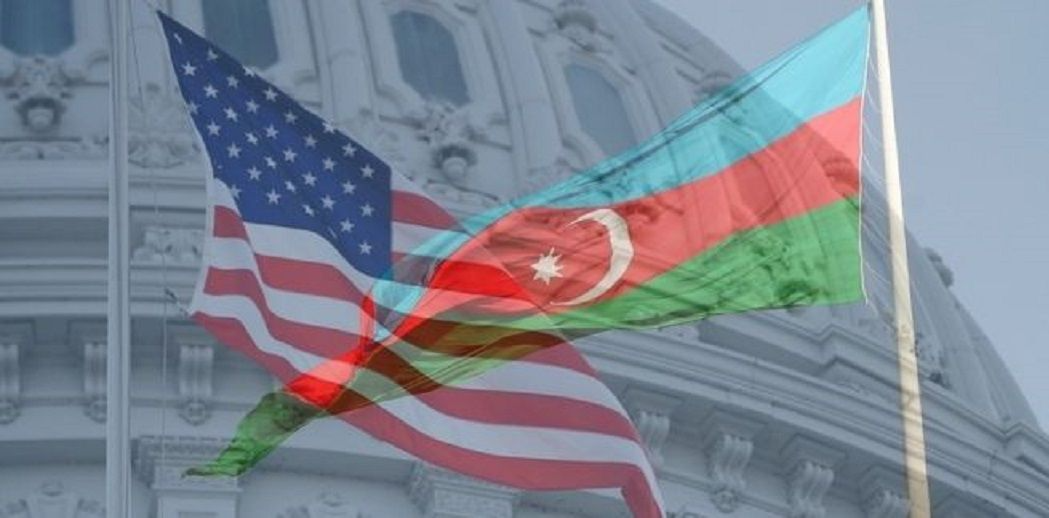
Trained at the Maastricht School of Management (MSM) and the Fuqua School of Business at Duke University (USA). Sameddin Asadov – through this meeting – is emphasizing the main pillars of cooperation between Washington and Baku that took shape during the historic meeting of President of the Republic of Azerbaijan Ilham Aliyev with President Donald Trump at the White House on August 8th, 2025.
In Azerbaijan, the delegation led by Carl Kress held meetings with a variety of national top officials, including Azerbaijan's Deputy Foreign Affairs Minister Elnur Mammadov. In the meeting, the current state of bilateral cooperation between the countries in areas such as energy, trade, regional connections, including the TRIPP route, economic investment, as well as the promotion of information to U.S. private sector representatives with relevant infrastructure and logistics interests in Azerbaijan, and the prospects for the development of cooperation were discussed.
These imperative bilateral meetings and engagements are held in separate institutions with the common objective, and that is to strengthen the framework of the Strategic Partnership Charter, taking shape at the Washington Peace Summit on August 8th last year.
Furthermore, the role of Azerbaijan in the energy security of the region was elevated as the nation is focused on developing renewable energy resources, the diversification of trade routes in the Middle Corridor, as well as the existing favorable business and investment environment in Azerbaijan, including the opportunities for establishing new relations.
The Trump Route for International Peace and Prosperity (TRIPP) was the centrepiece of these discussions, and Baku’s diplomacy and economic policies are pivotal towards a more prosperous and peaceful South Caucasus and Eastern Europe.
According to national media outlets: Azerbaijani government agencies have a growing potential to establish new partnerships with US private-sector entities to explore corporate investment in the development of TRIPP infrastructure, as well as participation in renewable energy ventures.
"With its strategic location, geographically situated at the heart of Eurasia, Azerbaijan is a nation with immense economic potential in the South Caucasus with unparalleled government performance over regional circular economy initiatives, energy economics and security strategy and dynamics. These geopolitical factors strengthen Washington’s engagement with Baku as President Trump is projecting and forging a new balance of power in the Western Hemisphere, the Middle East and South Asia.
The views and opinions expressed by guest columnists in their articles may differ from those of the editorial board and do not necessarily reflect its views.
URL: http://www.today.az/news/politics/264838.html
 Print version
Connect with us. Get latest news and updates.
See Also
- 02 July 2026 [15:34]
Von der Leyen backs South Caucasus peace with €2 bln connectivity vision - 02 July 2026 [10:50]
President Ilham Aliyev receives Minister of Justice of Türkiye - 02 July 2026 [09:26]
European Commission President concludes visit to Azerbaijan - 01 July 2026 [12:54]
President Ilham Aliyev congratulates President of Somalia - 01 July 2026 [12:39]
President Ilham Aliyev sends congratulatory letter to Governor General of Canada - 01 July 2026 [12:21]
The passport issue spoiled the mood: Karapetyan threw a tantrum at journalists - 01 July 2026 [12:12]
Paris wanted to enter the Middle East without knocking – and got it from Tehran - 30 June 2026 [14:23]
Azerbaijan, Armenia launch anonymous reporting drive on missing persons - 30 June 2026 [14:14]
To revive the "dead man" - who and how in Armenia is holding on to the separatist project - 30 June 2026 [13:58]
Azerbaijan, Kazakhstan reaffirm strategic cooperation
Most Popular
 Paris wanted to enter the Middle East without knocking – and got it from Tehran
 To revive the "dead man" - who and how in Armenia is holding on to the separatist project
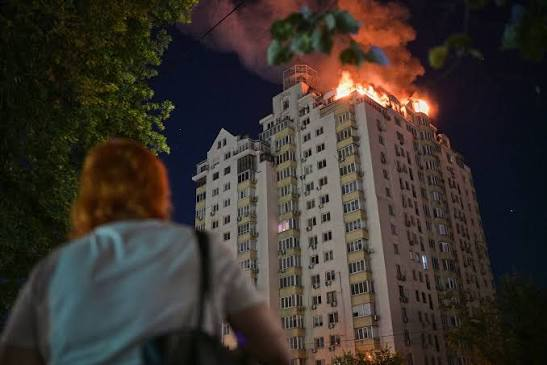 Massive Russian overnight assault devastates Kyiv, casualties expected to rise
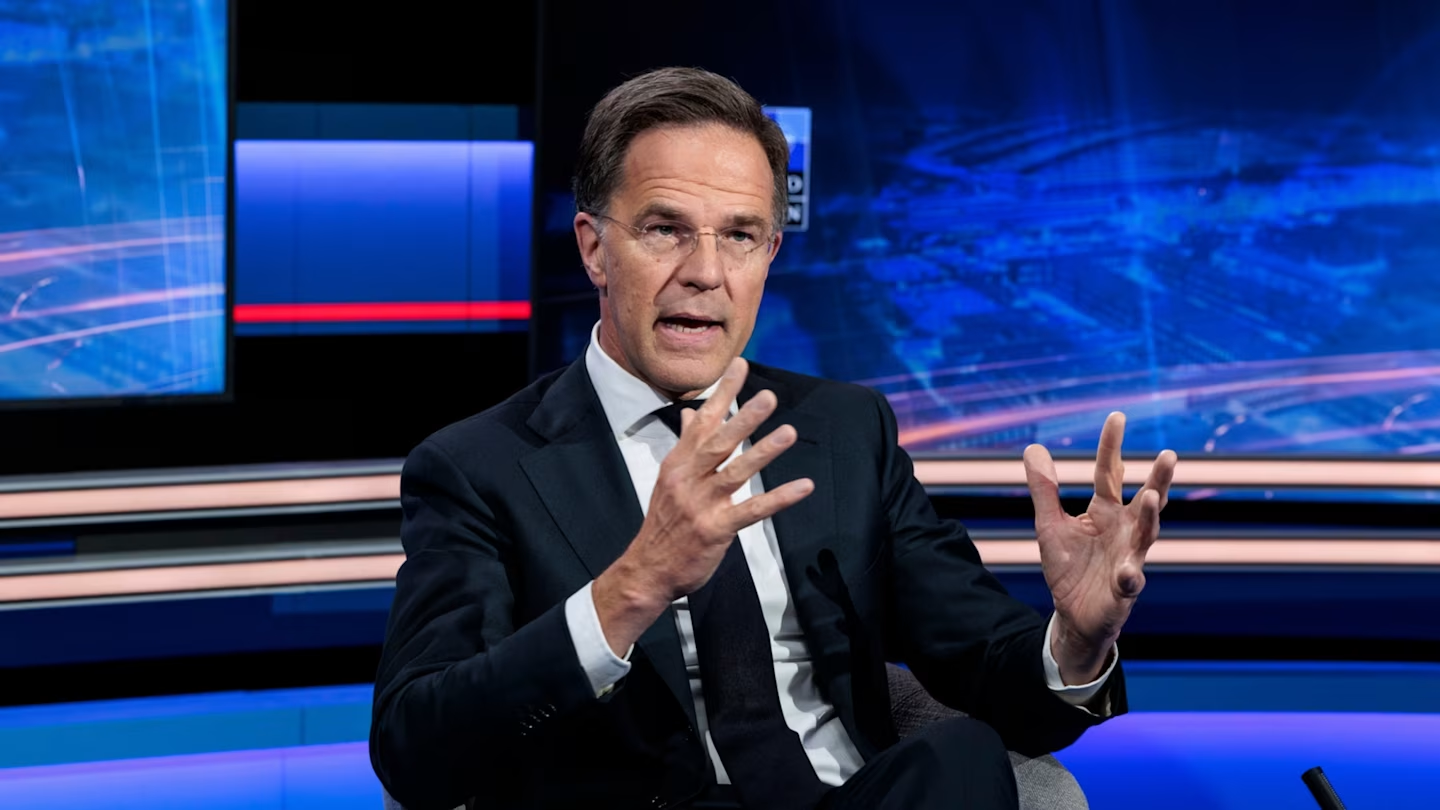 Europe remains critical hub for U.S. military operations, Rutte says
 Ukraine expands deep-strike campaign with attacks on Russian military sites
 Ukraine seeks French license to produce SCALP cruise missiles
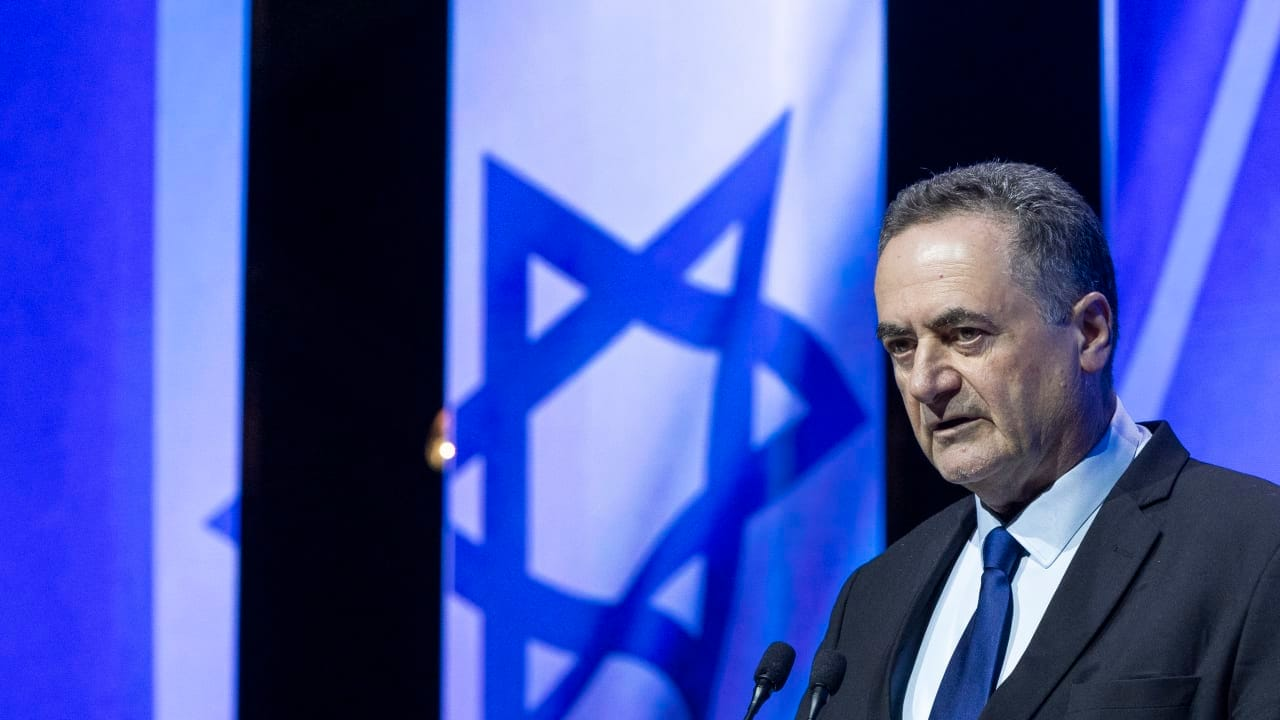 Katz: We could go to war with Iran 'tomorrow'