|
|

TODAY.AZ / Politics
Azerbaijan highlights role of int'l cooperation in accelerating global clean energy transition
26 July 2026 [18:00] - TODAY.AZ
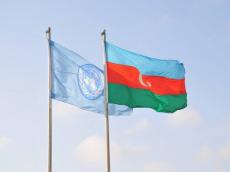
The transition to clean energy has become one of the key elements of sustainable development, climate change mitigation, and long-term energy security, Azerbaijan's representative to the United Nations has said, AzerNEWS reports.
Speaking at an informal interactive dialogue titled "Accelerating the Global Energy Transition: Advancing Renewable Energy, Energy Efficiency and International Cooperation," Third Secretary of Azerbaijan's Permanent Mission to the UN Gamar Safarova emphasized the importance of expanding renewable energy use and improving energy efficiency worldwide.
She noted that while significant progress has been achieved in increasing the share of renewable energy and enhancing energy efficiency, major challenges remain. Safarova stressed that investment gaps must be addressed, electricity grid infrastructure modernized, energy storage systems expanded, and access to financing and technologies ensured so that all countries, particularly developing nations, can benefit from opportunities created by the energy transition.
She underlined that international cooperation and effective partnerships are essential for achieving these goals. Gamar Safarova, Azerbaijan believes that cross-border cooperation and multilateral partnerships can play a crucial role in strengthening energy security while advancing global climate objectives.
The Azerbaijani diplomat also highlighted the country's activities during its COP29 presidency, noting that Azerbaijan worked to strengthen international cooperation and promote initiatives addressing key climate priorities. She pointed to several outcomes achieved during the process, including progress toward the launch of high-integrity carbon markets under the Baku Climate Coalition Pact, the agreement on a new collective quantified goal on climate finance — the first such agreement in the history of the UN Framework Convention on Climate Change and the full operationalization of the Loss and Damage Fund.
Safarova also drew attention to Azerbaijan's "COP29 Global Energy Storage and Grids Pledge Initiative," which aims to encourage greater investment in electricity grids and energy storage systems as essential components of a secure, reliable, and sustainable clean energy transition. She emphasized that the rapid expansion of renewable energy must be supported by modern and resilient electricity systems.
At the national level, Azerbaijan is implementing a large-scale energy diversification programme based on the "Azerbaijan 2030: National Priorities for Socio-Economic Development" strategy. The creation of a clean environment and the development of a "green growth" economy are identified as one of the country's five key national priorities.
Within this framework, Azerbaijan continues to expand renewable energy production through major solar, wind, and hydropower projects across different regions of the country, including territories that were previously affected by conflict.
Safarova also highlighted Azerbaijan's post-conflict reconstruction and development efforts as an example of the country's commitment to sustainable development and green growth principles. These initiatives include modern urban planning approaches, renewable energy solutions, sustainable infrastructure development, and the implementation of "smart city" and "smart village" concepts based on environmental protection and climate resilience.
Concluding her remarks, Gamar Safarova said that accelerating the global energy transition requires practical action, stronger partnerships, and sustained investment in renewable energy, energy efficiency, electricity networks, and related infrastructure.
She reaffirmed Azerbaijan's commitment to promoting a clean environment and green growth through investments in renewable energy, sustainable infrastructure, and international cooperation, while working with global partners to build an inclusive, resilient, and reliable energy future for all.
URL: http://www.today.az/news/politics/269119.html
 Print version
Connect with us. Get latest news and updates.
See Also
- 26 July 2026 [18:00]
Azerbaijan highlights role of int'l cooperation in accelerating global clean energy transition - 26 July 2026 [17:15]
Defense Ministry presents review of events of last week [VIDEO] - 26 July 2026 [14:37]
Azerbaijan's Prosecutor General outlines key priorities following first-half review - 26 July 2026 [13:30]
Azerbaijan launches UNESCO initiative to support Small Island Developing States - 26 July 2026 [11:10]
President Ilham Aliyev sends congratulatory letter to President of Maldives - 24 July 2026 [14:22]
Azerbaijan appoints Rashad Mammadov ambassador to Uzbekistan - 24 July 2026 [14:13]
Azerbaijan appoints new ambassador to Türkiye - 24 July 2026 [10:48]
President Ilham Aliyev makes phone call to President of Uzbekistan - 22 July 2026 [15:16]
Hikmet Hajiyev highlights growing role of Azerbaijani media on National Press Day - 22 July 2026 [15:03]
Azerbaijan mutually exempts diplomatic passport holders from visa requirements with Sudan
Most Popular
 Dream Fest 2026 kicks off in Baku with spectacular red carpet ceremony
 Middle East conflict sends shockwaves across global gas markets
 Cheb Khaled receives star on Sea Breeze Walk of Fame ahead of Dream Fest 2026
 Kazakhstan presses ahead with key rail link for Middle Corridor
 Azerbaijan appoints new ambassador to Türkiye
 AI adoption surges in Türkiye’s manufacturing sector as SMEs modernize production
 Iran rejects Trump's ceasefire proposal over Hormuz Strait concerns