|
|

TODAY.AZ / Politics
Baku hosts international Media and Decolonization conference
11 July 2026 [10:00] - TODAY.AZ

An international conference titled "Media and Decolonization: Rising Voices, Strengthening Narratives", organized by the Baku Initiative Group, has officially opened in Baku.
AzerNEWS reports that the event marks the first platform of its kind in Azerbaijan to bring together media representatives from territories with a history of colonial rule or those that continue to experience colonial governance.
The conference has attracted a diverse range of participants, including executives and representatives of media organizations from former and current colonial territories, journalists, political analysts, members of diaspora organizations, media and communications experts, civil society representatives, researchers, diplomats, government officials, and local media professionals.
Discussions will focus on the role of the media in amplifying the voices of peoples and ethnic minorities living under colonial dependency or facing forms of neocolonial exploitation in the international information space. Participants will also examine the challenges these communities encounter in gaining global media visibility.
Particular attention will be devoted to highlighting colonial realities that have long remained underrepresented in international media. These include the economic exploitation of territories, the extraction of natural resources, the erosion of cultural identity, systemic discrimination against indigenous populations, political repression, and deliberate demographic engineering through the resettlement of outside populations. The experiences of the Kanak people in New Caledonia and Bonaire will serve as key case studies during the discussions.
The conference will also explore ways to overcome information blockades affecting colonial territories, strengthen efforts to combat disinformation and fake news through the use of advanced artificial intelligence tools, establish an international coordination network among journalists and media organizations, and deepen cooperation between local journalists and international media institutions.
URL: http://www.today.az/news/politics/268851.html
 Print version
Connect with us. Get latest news and updates.
See Also
- 11 July 2026 [18:08]
Footage of President Ilham Aliyev’s meeting with residents of Kichik Galaderesi village posted on his social media [VIDEO] - 11 July 2026 [18:06]
President Ilham Aliyev attended opening of Khankendi Hotel [PHOTOS] - 11 July 2026 [17:31]
President Ilham Aliyev visited Guzeykhirman village in Khojavend district [PHOTOS] - 11 July 2026 [15:30]
President Ilham Aliyev reviewed progress under public-private partnership project on Garabagh Street in Shusha [PHOTOS] - 11 July 2026 [15:20]
Sadigjan House opened after restoration in Shusha [PHOTOS] - 11 July 2026 [14:10]
President Ilham Aliyev inspected restoration works in Shusha’s Kichik Galaderesi village and met with returning residents [PHOTO/VIDEO] - 11 July 2026 [11:30]
President Ilham Aliyev sends congratulatory letter to President of Mongolia - 11 July 2026 [11:07]
Hydroelectric power stations on Hochaz River inaugurated in Lachin [PHOTOS/VIDEO] - 11 July 2026 [11:05]
Senegalese journalist praises Baku Initiative Group's Decolonization Forums for expanding global dialogue - 11 July 2026 [10:58]
President Ilham Aliyev laid foundation stone for Hakarichay Reservoir in Lachin [PHOTOS/VIDEO]
Most Popular
 Drone strikes target oil storage facilities in Russia's Tver and Stavropol regions
 Armenia detains another opposition member
 Azerbaijan holds first master's thesis defenses in cultural law
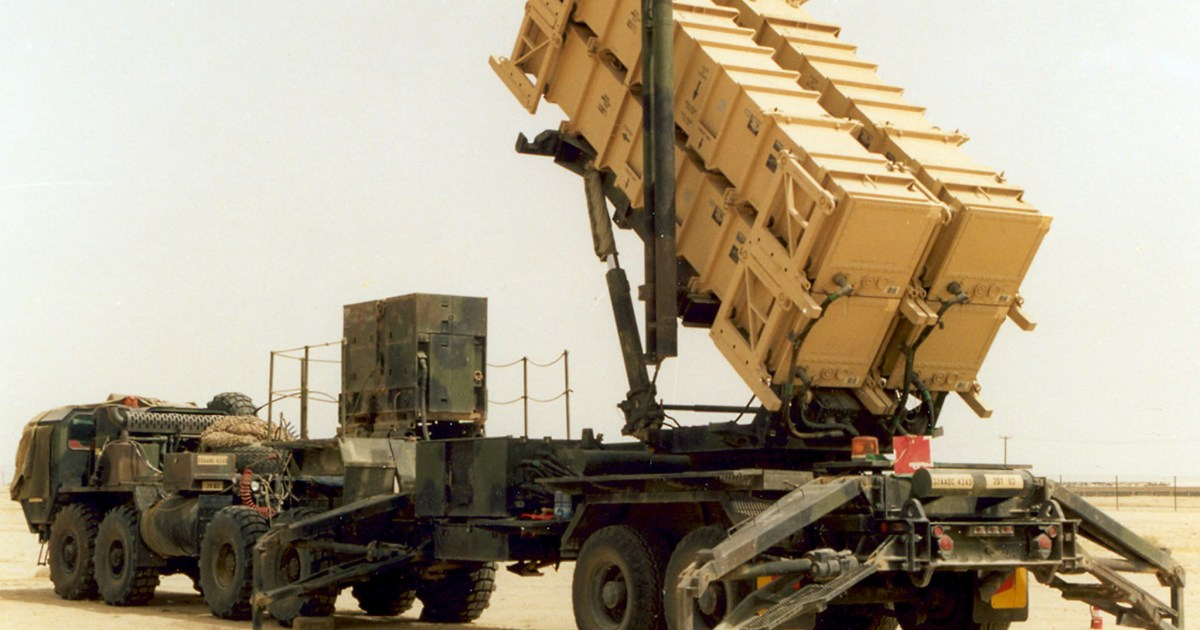 Iran claims drone strikes on US Patriot system in Kuwait
 Vagif Poetry Days to take place in Gazakh and Shusha
 Moscow draws red line for Yerevan over TRIPP and EU, Armenian newspaper says
 How geopolitical shocks transforming Azerbaijan's global role