
Argentina's attempt to temporarily suspend oil exploration activities near Falkland Islands has been rejected by an international maritime tribunal, clearing the way for the planned offshore development to move forward.
The International Tribunal for the Law of the Sea (ITLOS), based in Hamburg, Germany, voted 18-3 against Buenos Aires' request at a special hearing on Saturday. Argentina had sought an interim order to stop drilling operations associated with the Sea Lion offshore oil project, located in waters surrounding the disputed islands.
President Javier Milei's government argued that the project, involving British and Israeli interests, represented a serious threat to Argentina's territorial claims and national interests. Buenos Aires maintains that the development constitutes an illegal exploitation of natural resources in maritime areas it considers part of its sovereign territory.
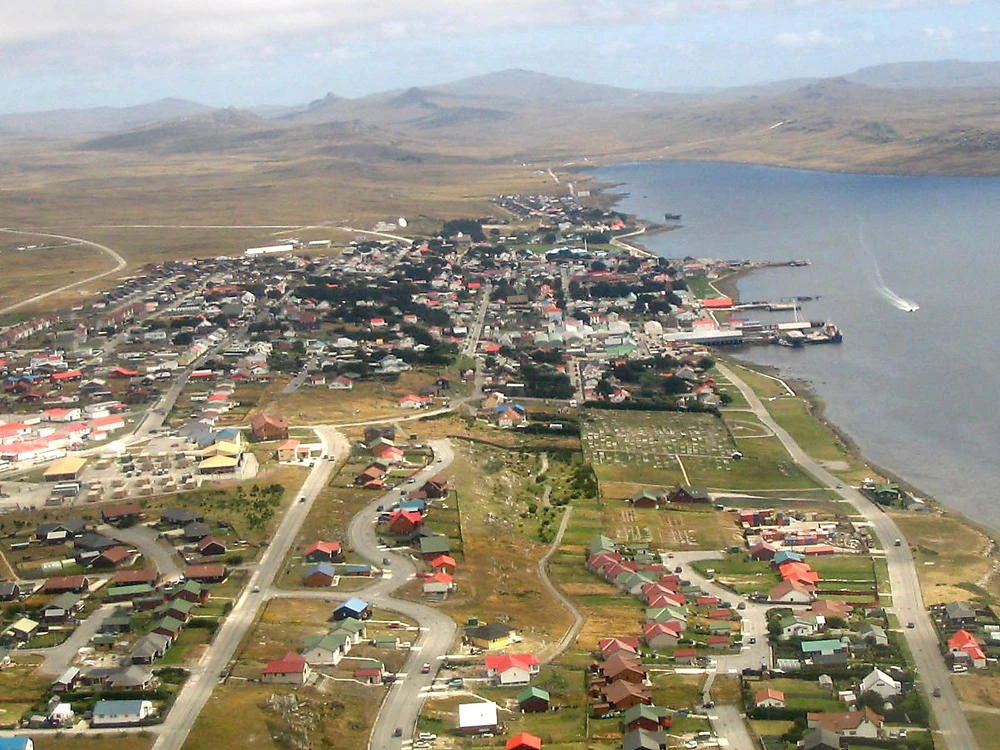
The Falkland Islands are a British overseas territory situated approximately 480 kilometres east of Argentina's southeastern coastline. The archipelago has a population of around 3,500 people and has remained under British administration since 1833.
The Sea Lion oil field is located approximately 220 kilometres north of the islands. According to the British position, drilling activities are scheduled to begin in March 2027, with commercial oil production expected to follow in 2028.
Following the tribunal's decision, British-based Rockhopper Exploration and Israel's Navitas Petroleum are expected to advance their development plans under licences issued by the Falkland Islands government and supported by the United Kingdom.
The ruling adds another chapter to the longstanding sovereignty dispute between London and Buenos Aires. The latest confrontation has also revived memories of the 1982 Falklands War, when the two countries fought a 74-day conflict over control of the islands.
Despite Argentina's continued diplomatic efforts to reclaim the territory, Britain maintains that the islands' future should be determined by their residents, who have repeatedly expressed support for remaining under British sovereignty.
The oil development could further complicate relations between the two countries, bringing the longstanding territorial dispute back into focus as the Falklands prepare to enter a new phase of offshore energy exploration.